

- BY bestadmin
- POSTED IN Blog
- WITH 0 COMMENTS
- PERMALINK
- STANDARD POST TYPE
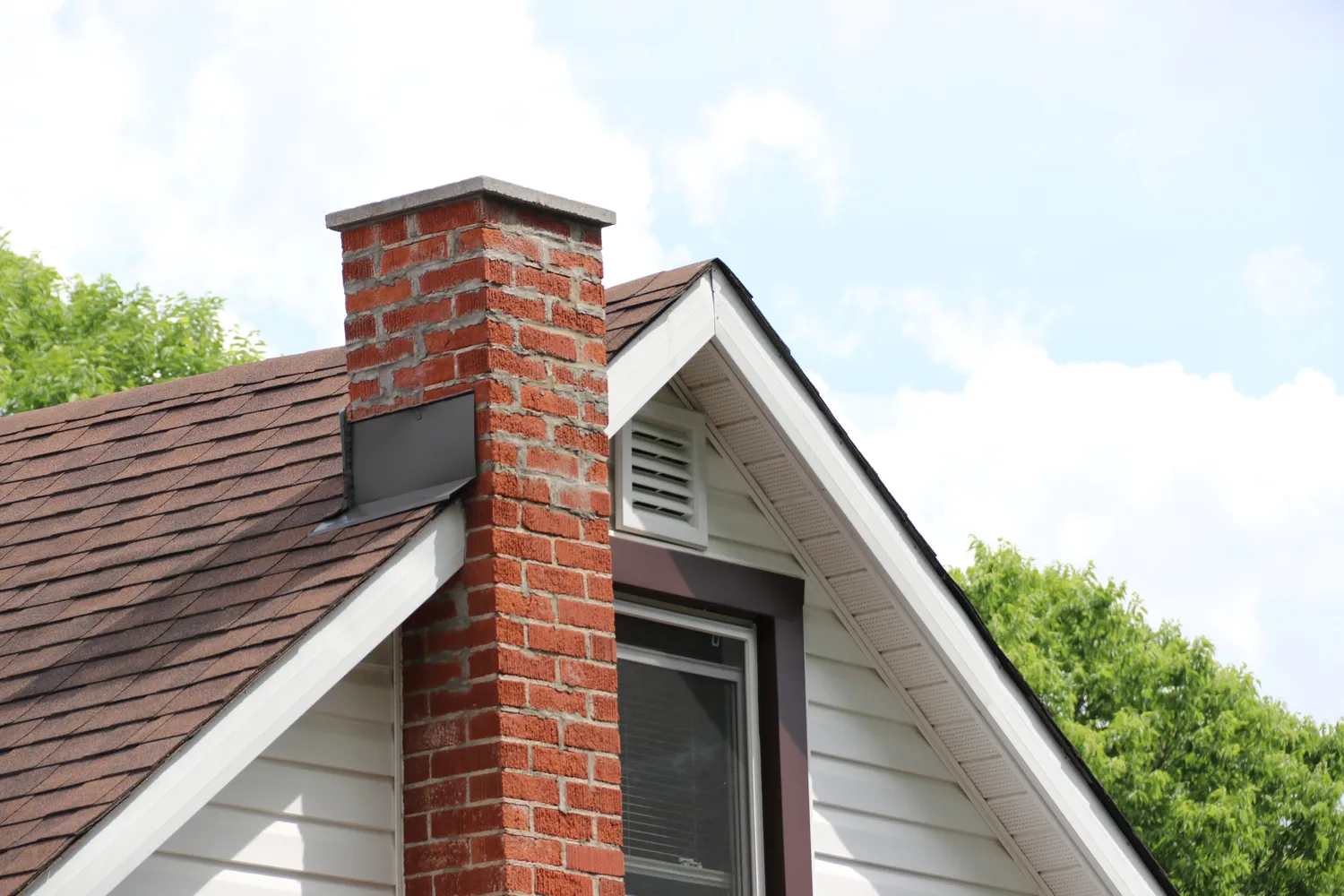
How Weather Damage Slowly Weakens Brick and Stone Walls
Brick and stone walls are known for their durability and long lifespan. Many homes rely on masonry because it offers strength, stability, and a timeless appearance. However, even the toughest materials are constantly exposed to outdoor conditions. Over time, changing weather patterns can slowly weaken brick and stone structures, often in ways that are not immediately visible. Understanding how weather affects masonry can help homeowners recognize problems early and protect their property with timely repairs.
One of the most common ways weather damages masonry is through the freeze–thaw cycle. During colder months, water can seep into tiny cracks and porous areas within brick or mortar. When temperatures drop, that water freezes and expands. This expansion places pressure on the surrounding materials, gradually widening cracks and weakening the structure. As the cycle repeats throughout the winter, small imperfections can turn into significant damage. This is one reason why homeowners often begin searching for masonry repair near me Schaumburg after noticing cracks appearing in exterior walls.
Heavy rain and moisture exposure also play a major role in masonry deterioration. While brick and stone are strong, they are not completely waterproof. Over time, water can penetrate worn mortar joints or small surface openings. Once moisture enters the wall system, it can weaken the bond between bricks and mortar, causing gradual structural instability. In some cases, this can even lead to bricks loosening or shifting out of place.
Wind is another environmental factor that contributes to long-term masonry damage. Strong winds can drive rain directly against exterior walls, forcing moisture deeper into cracks and joints. Wind can also carry debris and dust that slowly erode exposed masonry surfaces. While this type of damage occurs gradually, it can significantly affect the durability of brick and stone structures over many years.
Temperature fluctuations throughout the year also place stress on masonry materials. Brick and stone expand when exposed to heat and contract during colder temperatures. These constant shifts may seem minor, but over time they create pressure within the wall system. This repeated movement can weaken mortar joints and cause visible cracks in brickwork. If left unaddressed, these cracks may allow water to penetrate deeper into the structure.
Sun exposure can also contribute to the aging process. Prolonged UV exposure can dry out mortar joints and make them more brittle. As the mortar loses flexibility, it becomes more susceptible to cracking and erosion. When combined with moisture and seasonal changes, the result is gradual weakening of the entire masonry surface.
Because these types of weather-related damage develop slowly, many homeowners do not notice the warning signs until the problem becomes more serious. Cracked mortar, loose bricks, discoloration, and small gaps in masonry are often early indicators that professional attention is needed. This is why people looking for masonry repair near me Addison frequently seek expert evaluation to determine whether restoration or reinforcement is necessary.
Professional masonry repair helps restore the strength and stability of brick and stone structures. Skilled specialists can repair damaged mortar, replace weakened bricks, and seal vulnerable areas to prevent further moisture intrusion. These repairs not only strengthen the wall but also help extend the lifespan of the entire structure.
In conclusion, weather damage may occur gradually, but its long-term impact on masonry can be significant. Freeze–thaw cycles, moisture, wind, and temperature changes all contribute to the slow deterioration of brick and stone walls. Addressing these issues early with professional masonry repair helps protect your home’s structure, maintain its appearance, and ensure lasting durability for many years to come.