

- BY bestadmin
- POSTED IN Blog
- WITH 0 COMMENTS
- PERMALINK
- STANDARD POST TYPE
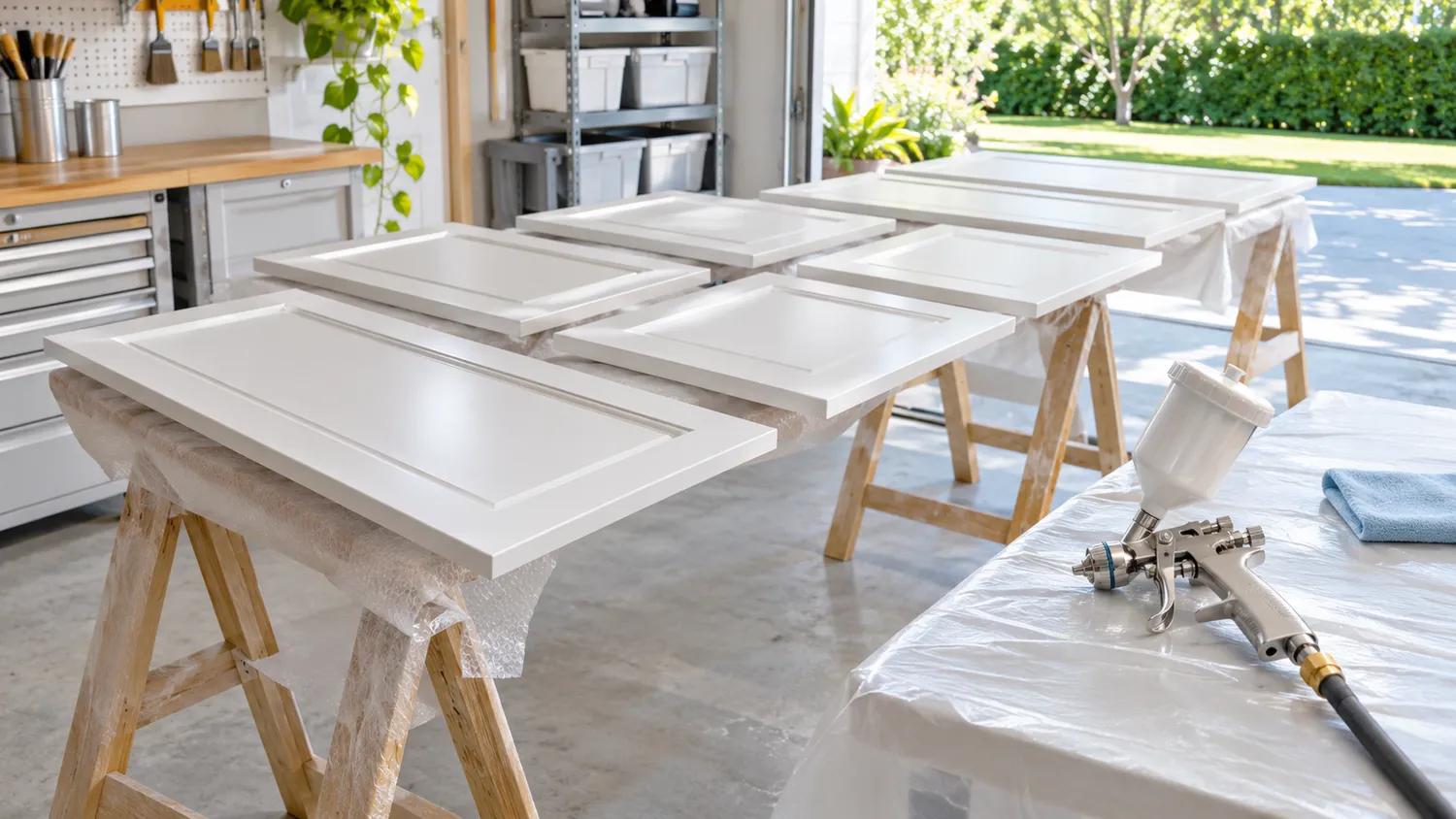
The Underrated Coat: How Primer Choice Shapes a Paint Job
Primer rarely gets noticed. Once the finish coat goes on, it disappears from view. Yet primer often decides whether a paint job looks uniform, bonds properly and keeps stains from bleeding through. The right primer depends on what lies underneath and what problem needs solving.
What Primer Does That Paint Does Not
Finish paints are formulated for color, appearance and resistance to wear and weather. Primers are formulated for the surface beneath. They:
- seal porous materials so the topcoat absorbs evenly
- give later coats a surface they can grip
- block stains and tannins from migrating
- in some cases, slow corrosion
„Paint and primer in one” products can work well over sound, previously painted surfaces in similar colors. They do not replace specialty primers on raw, glossy or stained surfaces.
Drywall: Sealing for Even Absorption
New drywall combines two different surfaces, paper facing and joint compound, which absorb paint at different rates. Without the right primer, the finished wall can show flashing: taped seams look duller or shinier than the rest. Polyvinyl acetate (PVA) primers and other drywall primer-sealers are designed to even out absorption. For anyone reading up on painters near me Glenview during a remodel or basement finishing project, drywall priming is usually the first step after the last coat of joint compound is sanded.
Wood and Tannin Bleed
Bare wood is porous and moves with changes in humidity. Some species, notably cedar and redwood, contain water-soluble tannins. These can migrate through waterborne coatings and show up as yellow or brown discoloration. Oil-based primers and waterborne stain-blocking primers made for tannins are typically recommended for these woods. Knots in pine contain resin that can bleed even through several coats, and shellac-based primers are traditionally used to seal them. Exterior trim, fascia and replacement siding boards all benefit from priming, including the end grain, which absorbs moisture most readily.
Stain-Blocking Primers
Water stains, smoke damage, marker, crayon and grease spots can all reappear through new paint. Shellac-based primers are known for strong stain and odor blocking and fast drying. Oil-based stain blockers handle many stains as well, and some waterborne versions work on lighter stains. Before any stain blocker goes on, the cause of the stain, especially a leak, needs to be fixed. Otherwise the stain may come back regardless of the coating.
Older homes on wooded lots, which many people see when looking into painters near me Highland Park, sometimes have ceilings marked by past ice-dam leaks. In these cases, a stain-blocking primer applied after the repair is standard practice.
Bonding Primers for Slick Surfaces
Old oil-based enamel, laminate, glazed tile, glass and some metals give paint very little to grip. Bonding primers, often based on specialized acrylic or urethane resins, are engineered to adhere to these hard, smooth surfaces. Cleaning and light scuff sanding are still important, because grease or wax will defeat any primer. A simple adhesion check helps: tape pressed onto a cured test patch and pulled off shows whether the coating has bonded.
Masonry, Stucco and Metal
Fresh concrete, stucco and mortar are highly alkaline. Standard paint applied too soon can suffer from saponification, where the alkalinity attacks the binder and leaves soft, failing paint. Alkali-resistant masonry primers are made for these surfaces.
On ferrous metals such as railings, rust-inhibitive primers slow corrosion. Galvanized steel typically needs a primer specifically rated for galvanized surfaces. Garage walls and older porches, common in established neighborhoods considered by those searching for painters near me Northbrook, often call for both masonry and metal primers in one project.
Tinted Primers and Big Color Changes
Going from a dark wall color to a light one, or the reverse, can take many coats of finish paint. A primer tinted toward the final color, often gray or a lighter version of the topcoat, improves hide so fewer finish coats are needed. Deep reds, yellows and other saturated colors with low hiding power benefit most from a tinted base. Homeowners planning a dramatic color shift, including those comparing painters near me Prospect Heights, may find that the primer coat matters as much as the paint color itself.
The Foundation for Everything Else
Primer is not an optional extra or a formality. It solves specific problems: uneven absorption, weak adhesion, stain bleed, alkalinity and corrosion. Matching the primer to the substrate is one of the most reliable ways to make a finish coat look and perform as intended. When a paint failure is traced back to its cause, a missing or mismatched primer is often part of the story.